The Importance of Following the HCG Diet Protocol

The HCG diet is perfect to kick-start your way into eating healthier, but it’s very specific. The diet requires you to follow and stick to the protocol to achieve the best possible results. No matter what methods you use, be as injection, drops, or pellet, it is very important to strictly follow the protocol when on the diet.

According to the protocol of Dr. Simeons, he emphasized following a specific diet to follow consisting of fruits, veggies, and lean protein. The foods he listed are very specific, and they are there for a reason. Your body can easily digest and metabolize them; hence you’ll spend more time burning the stored fats in your body rather than wasting time trying to digest those foods you are eating. The allowable foods are low in calories, low in carbs, fat free, and sugar-free.

What happens when you do not follow the protocol?

So, what happens when you don’t follow the protocol? Simple! If you don’t follow the protocol and stick with it, by all means, you won’t lose the maximum amount of weight during the diet, worse, you won’t be able to lose weight at all. If you lose, you won’t be able to keep it off for good.

Anytime you stray from the protocol, your weight loss can stall or slow down anywhere from 3 to 6 days. The only way you can get back on track is to do the apple day, drink plenty of water and stick with the protocol until your diet is done.

The HCG Diet has been around for decades and has helped many people lose weight for good. For this diet to work, you must follow the protocol carefully. It is best if you schedule your diet at a time when you have nothing going on to ensure your success. If you have lots of events to attend that require the gathering of people over foods, then it might not be the best time to start a diet. 

How to follow the HCG Diet protocol

Loading phase: This is the first part of the diet where you prepare your body for the weight loss phase. The loading phase lasts for 2 days. During this period, you need to eat high-fat and high-calorie foods like nuts, bacon, hamburger, and avocados. Stay away from high-carb, high-sugar foods like pizza, pasta, cakes, ice cream, and many more. You will also start with your first day of HCG injection during this phase.

Very low-calorie phase: Also known as the weight loss phase. Basically, this phase lasts anywhere from 3 to 6 weeks. Here, you’ll restrict your calorie intake to only 500 calories a day. You’ll eat only the allowable foods listed for the second phase. Continue with your daily HCG shots.

Maintenance phase: Here, you’ll be eating normally, anywhere from 1500 to 2000 calories per day but still avoiding sugar and starches. This phase goes on for 3 weeks. Unlike the previous phases, you won’t be having your daily shots of HCG anymore.

Balanced Meal and Weight Loss

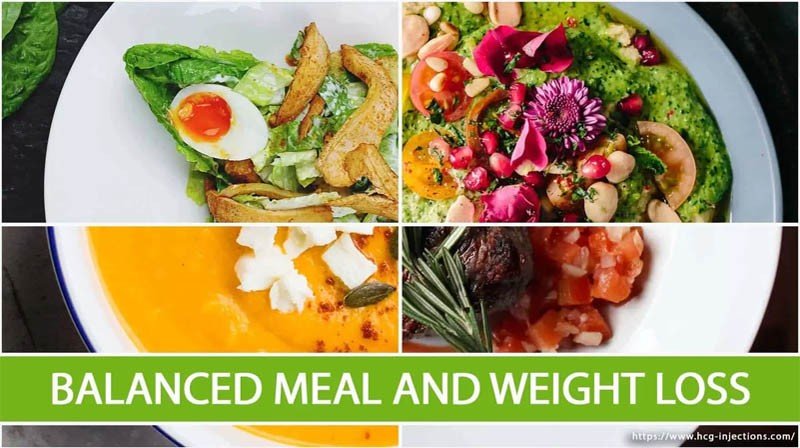
A healthy balance between diet and fitness is vital during any diet. The HCG diet includes having an adequate amount of sleep each day-at least eight hours per night. Healthy eating habits like having 3 meals and 2 snacks per day on regular days. Having 2 meals and 2 snacks per day on a very low-calorie diet with an adequate amount of protein, fresh fruits, and vegetables.

Last, along with proper nutrition, comes strength and flexibility training and cardio exercises three to five times a week after the very low-calorie diet phase. Light exercises such as jogging, swimming, yoga, and meditations when on the second phase. Having a healthy balance between fitness and meal, along with the right dose of the HCG hormone, can help you lose weight more effectively and in the healthiest way possible. Below are more benefits your body will reap from having a healthy diet with HCG:

Protection against chronic diseases

A healthy diet can protect your body and prevent certain types of disease, in particular, chronic diseases such as diabetes, skeletal conditions, heart problems, and some types of cancer.

Research shows that when you overload your body with sugar, your triglycerides level, blood pressure, and inflammations in the body are likely to increase and all these can lead to cardiovascular diseases. A large amount of sugar and carbs in your body can make you gain weight.

Healthy lifestyle

Opting for an adequate, balanced, and varied diet is an important step towards a happy and healthy lifestyle. A balanced diet supplies the body with the nutrients to work effectively. Without it, you’ll be more prone to infection, disease, stress, and low performance.

Feeling fuller

With healthy diets, your body will have enough proteins, carbs, vitamins, and minerals you need for the day. You will feel fuller and this will prevent you from overeating nor from reaching out for an extra serving.

More energy

You will have more energy with a healthy diet. A healthy diet again includes not only having a balanced meal but also having an adequate amount of sleep each day. If you get enough sleep, you won’t feel exhausted the next day. You won’t have to munch on sugary and starchy foods or energy bars too. Kickstart your day by having a healthy breakfast. That way, you’ll be less tempted to pass by the drive-thru to grab your favorite breakfast meal. During the HCG diet, your body will release adipose fat and turns this into a valuable source of energy.

Increased metabolism

With a proper diet and right hcg injections dosage, you can reeve up your metabolism. The hormone in your system will instruct your body to release fat reserves as an alternative source of energy, speeding up the metabolic rate.

Less belly fat

Losing belly fat, also known as abdominal fat, is one common weight loss goal. Shedding this fat can have a major benefit to your health and wellness. A well-balanced meal will provide your body with the nutrients and energy it needs daily.

HCG Diet: Love Yourself this Valentine’s Day

Every culture has put a unique spin on Valentine’s Day, yet the center is all about showing love with the surrounding people- whether that be through food such as an elaborate dinner out, a box of chocolate, an indulgent dessert, or all of them. Love or hate it, Valentine’s Day is still one of the biggest and busiest restaurant nights of the year. The big deal here is that-what if you are on the HCG Diet?

With a few tips and proper planning, you can get through this day without adding too many extra calories. Here are some tips:

  • Start health

When dining out, start with a light salad or soup to fill up before going for your entrée. It would also be nice to share it with your partner.

  • Think red

Strawberries, cherries, tomatoes, red bell peppers, and red onions are all packed with vitamins. They are rich in cancer-fighting oxidants and cholesterol-busting fiber and proteins. They are HCG diet friendly too. Forget about the margarita or champagne and ask for a glass of red wine. Red wine contains powerful plant compounds and antioxidants responsible for many health benefits, including:

  • Lowering the risk of heart disease
    • Reducing inflammation
    • Regulating blood sugar level
    • Lowering the bad cholesterol
    • Keeping you slim
  • Abstain completely from all V-Day sweets

Though it may seem impossible, with the right attitude and mindset you can do it. To avoid temptations, it’s best not to touch any sweet treats that aren’t HCG diet friendly at all. If you really can’t help it, we have a lot of tasty and sweet V-Day friendly HCG diet dessert recipes. Try making strawberry sauce over cottage cheese, Strawberry sorbet, or strawberry daiquiri.

  • Do not deprive yourself completely

V-day is a time for fun, laughter, and food. If you are on phase 3 of the HCG Diet, having a couple of truffles or a small slice of cake will not make you gain weight. Moderation is the key. If you indulge in chocolates this Valentine’s Day, don’t feel guilty. Research shows that chocolate contains a beneficial compound that may help prevent heart disease, enhance immunity, and make us feel great.

  • Don’t be afraid of the waiter

When dining out, ask questions about the dish they serve, even in a fancy restaurant. Feel free to make a special request. Ask whether the entrée is sauteed in butter or olive oil-anything that could help cut down on calories. Request for sauces on the side dishes or trade your rice or pasta for a whole wheat variety. Ask the waiter to substitute vegetables for french fries.

Serving sizes at restaurants are typically larger than those in normal homes. If you go out to celebrate, consider splitting a meal with your date or take half home.

  • Non-food Valentine’s Day gift

You don’t have to always show your love with foods or fancy treats. So, ask for a gift that doesn’t involve foods or any sweet treats like flowers, a card, or a gift certificate for a fancy massage.

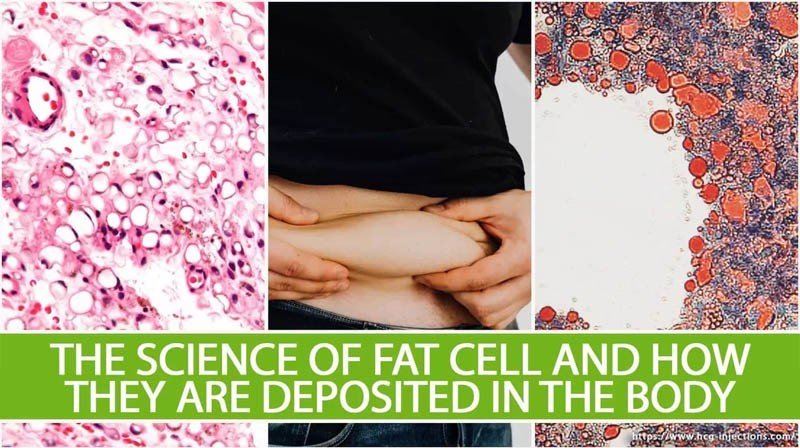
The Science of Fat Cell and How They are Deposited in the Body

Fat cells, also known as lipocytes are cells that primarily compose of adipose tissue. Their main function is to hold on to lipids. Fat cells are often seen as the enemy. Something that everyone wants to avoid but actually, they are a crucial component of the body. Without it, the human body would freeze. Doctors used to think of adipose tissue as little bags of energy, but with increasing research, it can do a lot more from regulating nutrient and even releasing hormones that influence blood pressure, thyroid function, and even fertility.

Fat cells are an excellent vessel for calories, the fuel that powers the body. Your body can hold as many calories in the same amount as fat. However, if you consume more calories than you expend, you will gain weight. The excess calories are stored throughout your body as fat, within the fat cells, either by enlarging them or by creating more of them. Too much adipose tissue leads to obesity. Obesity leads to a number of health problems like diabetes, high cholesterol, and high blood pressure. When you try to lose weight, your fat cells never disappear. They simply shrink in size, ready to swell again with excess energy.

Fat accumulation in certain areas of the body

The fat deposit in the body is not at all random. It does not only depend on age but gender as well primarily because of the different hormones and hormonal levels. In females, fat accumulates mostly in problem areas like the thigh, buttocks, and pelvis. Men, store fats around the mid-section resulting in the development of belly fats.

Hormones do influence how fat is stored in your body, but they cannot change where it is stored. Your body can only store fat in areas where fat cells already exist. When you store fat in those fat cells, they expand, and when you lose weight the cells shrink again.

Common areas of fat deposition

  • Abdomen: Fat deposits in the mid-section. Both men and women will develop fat in this area but men have the biggest issues compared with women.
  • Thigh: It’s more prevalent in women than men. The inner thigh of women has more fat cell deposits than men.
  • Arms: Due to lack of muscles, women tend to store more fat readily in this area compared to men. Fat deposit in this area can become a serious issue later in life.
  •  Buttocks: Men and women can store fat in this area. Women can store it more readily than men. The three muscles here are very important for running strength and stamina.
  •  

How the HCG Diet burns belly fat?

The HCG Diet burn abnormal fats. It’s proven to result in fat loss by targeting the excess fats without losing the muscle mass. The HCG Diet uses the human chorionic gonadotrophin hormone to release excess fats in combination with a very low-calorie diet. It works permanently in reducing fat cells and reducing the risk of developing health problems like heart diseases, diabetes, high blood pressure, and many more.

No to Sugary Drinks on the HCG Diet

Sugary drinks refer to any beverages with added sugar or other forms of sweeteners including sucrose, corn syrup, fructose, fruit juice concentrate, and more. Sugary drinks include diet soda, cola, lemonades, fruit punch, sports and energy drinks as well as sweetened powdered drinks. These beverages are the single largest source of calories and added sugars and they are absolutely not allowed on the HCG Diet.

Sugary drinks and weight gain

Sugary drinks are worse than you might think. A 12-ounce of soda has 150 calories and 40 to 50 grams of sugars, that’s equal to 10 teaspoons of sugar, and that quite a lot! A 20 ounce of sugary drinks has around 16 teaspoons of sugar. This exceeds the recommended maximum daily intake of sugar which is no more than 4.5 teaspoons per day for ages 12- 19 and about 6 teaspoons for adults.

Sugary drinks can make you gain weight. Those who drink at least one sugary drink per day are four times more likely to become obese than those who drank less than one sugary drink a month. Here’s how sugary drink makes you gain weight:

  • The sugar on the drink stimulates appetite. When sugar is absorbed into the bloodstream there will be a rapid change of blood sugar. The rapid rising and falling of blood sugar are appetite stimulants. Furthermore, more sugar can significantly increase the hunger promoting hormones ghrelin while decreasing the appetite-suppressing hormone peptide.
  • They hinder the hormones that regulate appetite and quell the hunger.
  • Sweetened beverages do not cause the same satiety as solid foods.
  • Daily consumption of sugary drinks can lead to elevated blood sugar levels. Prolonged elevated blood sugar levels (hyperglycemia) can cause serious harm to your body including weight gain. Your body becomes insulin resistant. This impairs normal cell function and promotes inflammation.

Why sugary beverages are harmful to your body?

When it comes to ranking beverages that are most beneficial to our health, the worst is the sugary drinks. They contain so many calories and no nutrients whatsoever. If you were to drink just one sugary drink per day and not cut back on calories elsewhere, you’ll end up gaining 5 pounds a year. Aside from weight gain, consuming too much sugar in your diet can lead to weight gain and may contribute noticeably to conditions like obesity, diabetes, and heart diseases.

Tips on how to avoid sugar on the HCG diet

Avoiding all forms of sugar on the HG diet can help protect your health as well as delivers the maximum amount of weight loss in just a short amount of time. Here’s how you can avoid them during the diet:

  1. Switch to all-natural sweeteners like Stevia. Stevia is the only sweetener allowed on the HCG diet. It doesn’t cause cravings nor does it spike blood sugar level.
  2. Read the labels and avoid all forms of sugar such as corn syrup, sucrose, lactose, or fructose.
  3. Avoid sodas including diet soda as they contain artificial sweetener aspartame.
  4. Juice vegetables like tomato, celery, and carrots. Vegetable juices can help decrease your cravings and gives you a power punch of nutrition.

ADDRESS

26 Pacific Grove. United state (US) California 93950

Call Us (Tolls Free)

877-334-8709

EMAIL US HERE

support@www.hcg-injections.com

We offer everything you need to start, along with ongoing support for HCG Kits users, including tips, advice, and resources for a fitter, slimmer you!

Important Note:

Not everybody will react to in the same way to hCG (Human Chorionic Gonaditropin) – in other words what is true for one person might not work for another- as such do not get discourage if you don’t see the same pronounced results as in others on the same hCG diet – all the information provided here is based on people’s testimony and documentation gather from reputable sources online – the before and after pictures are submitted from our most successful customers and they were offered 20% discount incentive to show the very positive results – not everyone will achieve this – This being said the hCG diet works well , give it a try and see for yourself.

Our Payment Partners :

Add to cart