How Long Does HCG Stay in Your System After the HCG Diet?

Usually, it takes 3 days or exactly 72 hours for HCG to clear out from your system after your last injection. If you are trying to take your HCG test, no worries because you won’t be tested positive. The dose use during the HCG diet is very tiny compared with the dose used in treating fertility issues.

Stabilization phase or Phase 3

The stabilization phase is as essential as the very-low-calorie diet phase and it should not be skipped. During this phase, your body adjusts to everyday eating in a smooth transition to the next phase. A number of great opportunities come into this phase. You’ll discover foods sensitives and lingering weight management issues.

It is during this phase where you will find that you’re afraid to eat. You are not sure what to eat because you knew that your weight will be volatile for a short period and that you must take special measures to stabilize it. But please do not panic because, just like other dieters, you can successfully complete this phase.

How to stabilize your weight?

In order to stabilize your weight, you discontinue the HCG injections for the last 72 hours of the weight loss phase. The 72- hour period begins exactly at the time of your last injection and not 3 days after your last dose.

During the last 72 hours, you continue to eat 500 calories a day. Now, why is this? Will you feel hungry eating only 500 calories per day for three days?

72 hours of no HCG injection

It takes 72 hours for HCG to leave your system after the diet is over. All traces of HCG will clear from your system by 72 hours after the last injection. It should be out of your body after your last injection before you start introducing larger food portions back into your diet. Why? When you consume more calories while there is still HCG in your body, you could gain weight.

Trust me, you won’t feel hungry during this 72-hour period of no injections. Because there is still a remnant of hormones left running in your system for a while. It won’t affect your metabolism nor your appetite.

How should I eat during the 72 hours of no injection?

During the 72 hours, follow the 500-calorie diet. The first 24 hours would be no different from any other day on a very-low-calorie diet. The next 24 hours will be similar to your skipped shot at the end of every week if you are following the 46-day protocol. You will notice that you are getting hungrier during the last 24 hours. The symptoms of true hunger will become apparent.

You do not need to increase your calorie intake for the first 48 hours. However, towards the tail end of the 72 hours, you will probably need to add calories about 200 to 500 calories. Make sure that fats and oils should be kept out of the picture and eat only phase 2 foods.
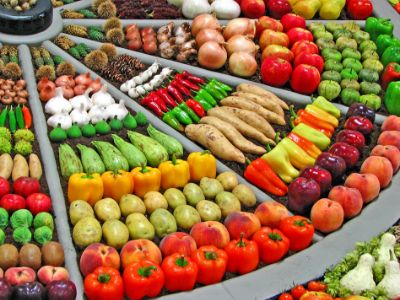
Clean Carbs on the HCG Diet: What Are They?

Carbohydrates like fiber, starches, and sugar are all essential nutrients that your body breaks down into glucose for energy. However, it’s important to know that not all carbs are created equal. Some are good, some are bad, but how do you tell the difference between them? What type of carb can you consume when on the HCG diet?

Clean carbs

As they’re also known, complex carbs (or clean carbs) are composed of complex molecules that break down slowly in the body. Rather than receiving an abundance of sugar at once, the body burns it off slowly, preserving mood and blood sugar levels while consuming energy.

Whole grains, beans, and starchy vegetables are examples of clean carbohydrates foods. They also contain fiber and antioxidants, so they keep you fuller for longer. This means you only need small amounts, but their high starch levels also make them off-limits in phase 3.

Fruits and vegetables

Low-carb diet

The best carbs are those that have little to no effect on blood sugar after ingestion. They can be grouped into chemical products used as additives or fillers and natural products. Good carb foods include:

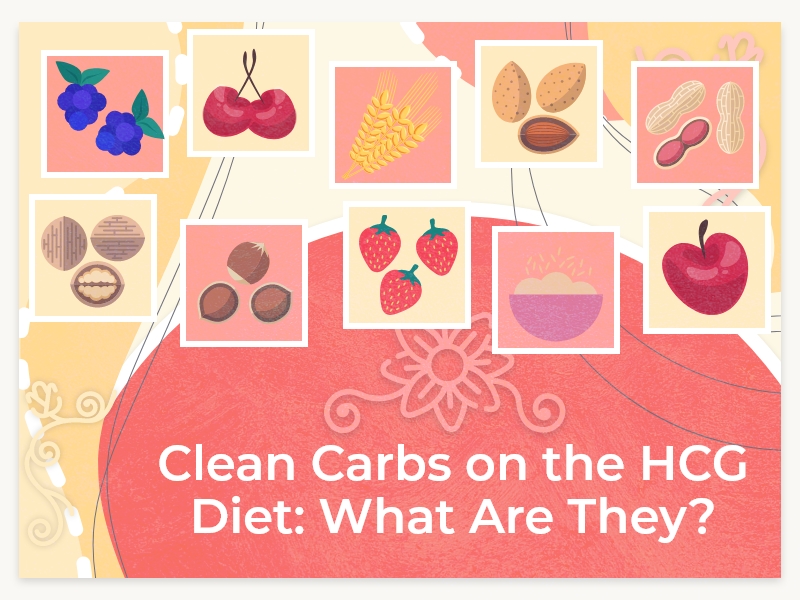
  • Whole fruits: strawberries, apples, blueberries, and cherries
  • Nuts: Walnuts, almonds, peanuts, hazelnut, and macadamia
  • Whole grains: pure oats, brown rice, and quinoa
  • Vegetables: most of them

Best carb for Maintenance phase

The best way to maintain your weight is to continue to choose low-carb foods and to avoid or limit your sugar intake. Sometimes, we enjoy carbs, bread, and starch and when you are on Phase 4, also known as the HCG Diet Maintenance … you can enjoy them!

When choosing your carbs for the maintenance phase, make sure to choose the right kind. See to it that they are in the right ratio and serving sizes in relation to the other foods you eat. Also, be sure to consume lots of fresh vegetables and moderate amounts of fruits every day. Still, it is important to remember that if starchy carbs are eaten excessively on HCG Diet Maintenance, even gluten-free or organic ones will cause weight gain.

Carb-protein ratio in Maintenance phase

Your ability to maintain your weight can be greatly improved by eating starchy carbohydrates at the right ratio and in balance with the other foods in your diet. As a general rule, try to pair a starchy carbohydrate serving with protein and healthy fat in a ratio of 1:1. Also, include non-starchy vegetables and fruits on most, if not all, meals. The 1:1 ratio of fat and protein is important to slow down the breakdown of carbohydrates and their release as glucose in the body.

Simple and complex carbs to avoid during Maintenance phase

Sugar and processed foods like chips, cookies, and chocolates are both sources of bad carbs. They are low in fiber and are digested quickly, causing spikes in the blood sugar level. It won’t be long before you’re hungry again, and eating simple carbs will undo everything you’ve worked hard during the previous phases.

While reintroducing food groups back into your diet during phase 3, continue with the low-carb diet and gradually add complex carbs back.

How Fiber Helps You Lose Weight on the HCG Diet?

Fiber is an essential part of a diet when you’re trying to lose weight. Understanding its effect on the body can make HCG injections more effective at reducing weight and inches from your body. It’s very common to hear people say you should include foods rich in fiber into your diet, especially if you’re trying to lose weight. The sad thing about this is you don’t take it seriously. Have you taken it seriously, you wouldn’t have to be where you are right now, overweight. But why is fiber so important in the HCG diet?

Types of fiber and required daily fiber intake

There are actually two types of fiber:

  • Soluble– Soluble fiber absorbs water to form a gel-like substance. This helps slow down how fast your stomach releases foods into the gut. Soluble fiber helps regulate blood sugar level and lower cholesterol levels. A fiber intake of 30 grams can help you lose weight, lower blood pressure, and improve insulin sensitivity. You can also lose belly fat and prevent belly fat gain by eating more soluble fiber. Sources of soluble fiber include oats, rice bran, dried beans, citrus fruits, potatoes, and peas.
  • Insoluble– Insoluble fiber can, like soluble fiber, help control weight by preventing hunger pangs. Adding more insoluble fiber to your diet can help you get your bowels moving if you become constipated. It’s also beneficial if you have bowel-related health problems like hemorrhoids and constipation. Foods that are high in insoluble fiber include vegetables like cauliflower and green beans. Other sources of insoluble fiber include nuts, wheat bran, and whole-wheat flour.

Fiber-rich foods have a low-calorie count. The daily fiber intake requirement for women of 50 and below is 25 grams. The daily fiber requirement for women over 51 is 21 grams.  Men, on the other hand, are supposed to have more fiber intake as they are required to take 38 grams of fiber per day for those 50 and younger. Those 51 and up are only supposed to take 30 grams per day.

The role of fiber in weight loss

Weight loss is an internal process. You will first start to lose hard fat in your internal organs like the digestive system, liver, and kidney. After that, you will start to lose soft fat around your waistline and thigh. Inside your digestive system, fiber normalizes our body’s bowel movements. This decreases the chances of constipation. It also prevents the development of colorectal cancer, which is an abnormal growth of cells that may spread elsewhere in the body.

Fiber is super-filling, and it works best when it can absorb water. Your body digests fiber slowly than simple sugars and starches. You can lose significant weight simply by getting 30 grams of fiber each day, without any other dietary changes. The benefits of fiber go far beyond keeping your appetite under control and keeping your weight under control. It’s good for your gut and encourages gut bacteria diversity. Fiber is heart-healthy and promotes regular bowel movements. It can reduce your risk of diabetes and certain chronic diseases.

Common Mistakes During the Maintenance Phase of the HCG Diet

Weight loss results are important to everyone who wants to lose weight, but healthy weight loss requires you to measure your results over time and remain motivated no matter what diet protocol you follow.

Like any other diet plan, the HCG diet is not immune to failure. Although the protocol is quite precise as it is designed for weight loss and metabolism reset, it is so easy to get off course and gain weight if you make the following mistakes. 

Mistake #1: Doing excessive exercise 

As you transition into the maintenance phase and ramp up your calorie intake, you can gradually increase the intensity of your workout but not to the point of muscle soreness. Your body will react by producing lactic acid and to neutralize the acidity, your body will respond by retaining water. Start low and monitor your weight every morning to see how exercise is affecting your weight. If your weight fluctuates more than 2.1 pounds or less than 2.1 pounds, you need to reduce your exercise routine until your weight can stabilize.

Mistake #2: Overeating or eating too little

The recommended calorie intake while on the Maintenance phase is 1500 calories a day. When you consume too many calories, you will gain weight because your body believes that it should store excess energy to use later. If you consume too few calories, your body may go into survival mode and try to hold on to what you give it. Moreover, your body won’t know how to handle foods if you never try them.

Mistake #3: Not tracking your daily food intake 

Keep track of the foods you eat even if you are no longer in the very low-calorie phase. You can do this by writing it down in your journal or by using an app. Tracking your foods can help you pinpoint foods that trigger weight gain. Among the most common trigger foods includes fried foods, peanut butter cheese, and many more.

eating sweets

 Mistake #4: Having sugar and starches during the first three weeks

Some dieters unknowingly add starches and sugars into their diet by:

  • Using seasoning and spices with hidden sugars and starches
  • Taking vitamin supplement coated with sugar
  • Eating process foods
  • Using canned fruits and veggies

Foods with hidden sugar can cause weight gain and provide empty calories.

Mistake #5: Adding too many cautionary foods at once 

Your body needs some time to adjust from the very low-calorie intake and from the limited food options. So, do not add more than one new food at a time to give your body some time to adjust and learn how to deal with new foods.

Once you reach phase 3, you need to continue choosing carefully when it comes to fruits and veggies, as not all of them are healthy for you. Fruits and vegetables that contain a lot of starch and sugar, such as bananas, melons, grapes, corn, potatoes, and peas, should be avoided. After the first week, slowly add some starch and sugar back in. Before diving into table sugars, pasta, and bread, start with those that have natural sugar and carbs.

Is HCG Injection Safe for Weight Loss?

HCG injection has been used for decades in the medical community-both in treating fertility issues and in weight loss. AND yes, it is SAFE for weight loss. It may not be approved by Food and Drug Administration for weight loss but the use of HCG injection has been medically prescribed for obese and overweight patients without any issues for decades. AND yes, there have been hundreds and thousands of people who were able to successfully lose weight using the HCG injection to testify this claim. What makes this hormone safe? Let us dig deeper first into what it is all about.

The basic of HCG

HCG stands for human chorionic gonadotrophin. Women during pregnancy produce this hormone in a very large quantity. They help make certain that both the baby and the mother have the calories they need to remain healthy. Doctors prescribe it for treating fertility problems in men and women.

The HCG injection

HCG injection has been used primarily for the treatment of fertility issues in both men and women. It has treated everything from undescended testicles in males to infertility in women. It’s the same hormone used in the HCG diet but at a very minimal amount. The best part of it-it’s naturally produced by the human body, making it safe even for weight loss.

HCG injection for weight loss became popular in the 1950s by Dr. Simeons. According to him, taking it could support weight loss by reducing your feeling of hunger. HCG injection can help reset your metabolism and promote healthy eating habits. When injected, it signals the hypothalamus of your brain to make use of the fat deposit as an alternative source of energy. These fat deposits are pockets of fat on various parts of your body and your body uses these pockets to save energy. They can be in the form of lumps and rolls anywhere on your body and can negatively affect your health, level of activity, and self-esteem.

Is it safe for weight loss?

HCG hormone stimulates the production of other hormones in your body that affect your metabolism, digestion, muscle tissue, liver function, and more. Since it’s an ALL-NATURAL hormone made by the placenta during pregnancy, therefore, it is safe.

In the HCG diet, weight loss occurs when HCG injection is used along with a restricted calorie intake. What makes it unsafe, as some are saying, though it is NOT if done correctly, is the restricted calorie intake of only 500 calories per day. If you find you can’t survive with the super low-calorie intake per day, you always have your option to modify it and add another 250 to 300 calories.

HCG triggers your body to burn fat for energy. As a result, you only feel minimal to no hunger at all, making it easier for you to adhere to the protocol.  Though the HCG diet protocol is not safe for long-term use, it is capable of safely resetting your metabolic functions. Upon achieving an ideal set-point, you can now maintain or improve your weight with a long-term, sustainable diet plan and exercise.

ADDRESS

26 Pacific Grove. United state (US) California 93950

Call Us (Tolls Free)

877-334-8709

EMAIL US HERE

support@www.hcg-injections.com

We offer everything you need to start, along with ongoing support for HCG Kits users, including tips, advice, and resources for a fitter, slimmer you!

Important Note:

Not everybody will react to in the same way to hCG (Human Chorionic Gonaditropin) – in other words what is true for one person might not work for another- as such do not get discourage if you don’t see the same pronounced results as in others on the same hCG diet – all the information provided here is based on people’s testimony and documentation gather from reputable sources online – the before and after pictures are submitted from our most successful customers and they were offered 20% discount incentive to show the very positive results – not everyone will achieve this – This being said the hCG diet works well , give it a try and see for yourself.

Our Payment Partners :

Add to cart