Preparing for the Loading Days of the HCG Diet

If you’ve recently decided to start the HCG diet, you may be wondering about the loading days and how to prep for it.  

Well, here’s a comprehensive guide to preparing for the loading days of the HCG diet, including what to eat, how to eat, and how to make the most of this phase of the diet.

What are the Loading Days?

Before we dive into how to prepare for the loading days, let’s first understand what they’re all about.

The loading days are the first two days of the HCG diet. This phase is all about indulging in high-calorie, high-fat foods to help kickstart your metabolism. It will also prepare your body for the low-calorie phase that follows.

During the loading days, your body will build up its fat stores, which will provide it with the energy it needs during the subsequent phase of the diet. The loading days are also an opportunity to indulge in your favorite foods. Yep, you heard me right – to load up on all those delicious treats you’ve been eyeing!

What to Eat During the Loading Days?

During the loading days, you should focus on eating foods high in fat and calories. Some good options include:

-Fatty meats such as bacon, sausage, and ribeye steak

-Full-fat dairy products such as cheese, cream, and butter

-Fried foods such as fried chicken, French fries, and onion rings

-Sugary treats such as cakes, cookies, and ice cream

-High-calorie drinks such as soda, milkshakes, and alcohol

It’s important to remember that during the loading days, you should eat to your heart’s content. There is no need to count calories or restrict your food intake. 

However, it’s still important to make healthy choices. For example, while you can indulge in sugary treats, it’s best to limit your intake of processed foods and focus on whole, natural foods.

How to prepare for loading days?

1.  Stock Up on the Good Stuff

Now, before you start panicking about all the goodies you’re going to indulge in during the loading days, let me clarify – it’s not about mindlessly gorging on junk food. Instead, it’s about strategically choosing nutrient-dense, calorie-rich foods that will set you up for success in the days ahead. 

So, hit up your local grocery store and stock up on plenty of healthy fats, protein-rich foods, and nutrient-packed treats to fuel your body for the journey ahead.

2.  Plan Your Meals

Take some time to sit down and map out your meals for the next two days. Make sure to include plenty of calorie-dense foods like avocados, nuts, seeds, and fatty fish. 

Get creative with your meal planning. Experiment with new recipes to keep things exciting and delicious. And hey, don’t forget to treat yourself to a few indulgent snacks – after all, you’ve earned it!

3.  Get Your Mind Right

Last but certainly not least, take some time to get your mind right for the journey ahead. The HCG Diet can be challenging at times. However, with the right mindset and a positive attitude, you can conquer anything that comes your way. 

Take a few moments each day to visualize your goals. Affirm your commitment to your health and well-being. Remind yourself why you embarked on this journey in the first place. You’ve got this!

The loading days are an essential part of the HCG diet, and they provide an opportunity to indulge in your favorite foods and build up your fat stores. By following the guidelines outlined in this article, you can make the most of this phase of the diet and set yourself up for success in the subsequent phase.

 

Mastering HCG Diet Loading Days 

If you’re following the HCG diet, you know that loading days are an essential part of the process. These first two days of the diet protocol are all about preparing your body for the upcoming calorie restriction by consuming high-fat, high-calorie foods. Have you thought about how to make your loading days better by getting enough calories and boosting nutrient density?

Strategies for Balancing Caloric Intake and Nutrient Density

Here are some practical strategies for optimizing loading days:

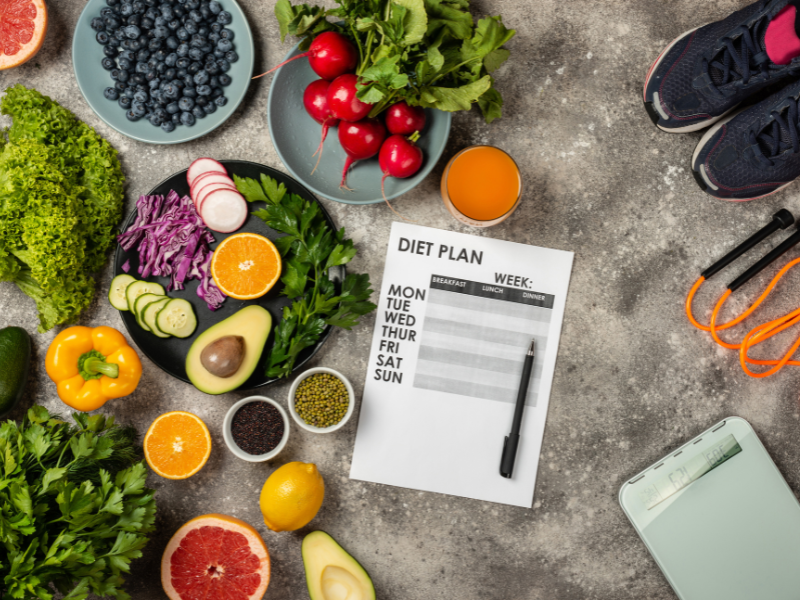
1.  Choose High-Fat, Nutrient-Dense Foods

It’s crucial to eat high-fat, nutrient-dense foods on loading days to make sure you’re getting plenty of calories and a range of vital vitamins and minerals. Some examples of high-fat, nutrient-dense foods include:

·       Avocados

·       Full-fat dairy products (such as cheese, butter, and whole milk)

·       Fatty fish (such as salmon and mackerel)

·       Nuts and seeds

·       Eggs

2.  Incorporate a Variety of Colors 

This ensures that you’re getting a wide range of nutrients during loading days. So, try to incorporate a variety of colors into your meals. Therefore, make an effort to include a range of colors in your meals. 

Certain vitamins and minerals are present in different colored fruits and vegetables. You’ll obtain a better-balanced nutrient profile if you eat a rainbow of hues. Some examples of colorful, high-fat, nutrient-dense foods include:

·       Red: Tomatoes, red bell peppers, and strawberries

·       Orange: Carrots, sweet potatoes, and oranges

·       Yellow: Yellow bell peppers, pineapple, and bananas

·       Green: Spinach, broccoli, and avocados

·       Blue/Purple: Blueberries, blackberries, and eggplant

3.  Limit Processed Foods

On loading days, it’s critical to consume adequate fat and calories, but it’s also critical to restrict processed meals. Processed foods are often high in unhealthy fats, sugars, and artificial ingredients. These can lead to uncomfortable digestive issues. Instead, focus on whole, natural foods that are high in healthy fats, such as those listed above.

4.  Don’t Overdo

While it’s important to consume enough calories and fat during loading days, it’s also important not to overdo it. Eating too much food, even if it’s high in fat, can lead to uncomfortable digestive issues and make it harder for you to stick to the diet protocol. Aim to eat until you’re comfortably full, but not stuffed.

5.  Stay Hydrated

It’s important to stay hydrated during loading days, especially since you’ll be consuming a lot of high-fat, high-calorie foods. Make sure to drink at least 8 glasses of water per day. Also consider incorporating other hydrating fluids, such as herbal tea.

6.  Prepare for the VLCD Phase

While loading days are important, they’re just the beginning of the HCG diet protocol. Make sure to prepare for the very low-calorie diet (VLCD) phase by stocking up on HCG injections and low-calorie foods. This will help to make the transition to the VLCD phase smoother and easier.


Tailoring Your Loading Days on the HCG Diet Journey

One size does not fit all, especially when it comes to the HCG diet. Each individual has unique needs, preferences, and goals. Therefore, it’s essential to tailor your loading days to align with your specific circumstances.

10 Practical Ways to Customize Your Loading Days

Now, let’s explore some practical strategies for customizing your loading days:

1.  Consider Your Current Diet 

Before starting the loading days, take a look at your current diet. Are you already consuming a high-fat, high-calorie diet? 

If your usual diet includes enough fat and calories, you might not need to change much for loading days. But if you typically eat low-fat, low-calorie foods, adding more high-fat, high-calorie options during loading days can help your body adjust to the upcoming calorie restriction.

2.  Assess Your Goals

Take the time to reflect on your objectives for the HCG diet journey. Consider what you hope to achieve during the HCG diet journey. Also, consider how loading days can help you reach those goals.

3.  Assess Your Nutrient Needs

On loading days, it’s crucial to evaluate not just your calorie requirements but also your nutrient needs. You might want to think about including nutrient-dense foods in your loading day meals if you have deficiencies in any particular vitamins or minerals. For example, if you’re deficient in calcium, you may want to consume more full-fat dairy products during loading day

4.  Consider Your Lifestyle

When organizing your loading days, consider your nutritional preferences, lifestyle, and schedule. If you have a busy schedule or specific dietary restrictions, tailor your approach accordingly to ensure compliance and success.

5.  Mindful Indulgence

It’s important to indulge, even on loading days, but to do so with awareness. Select nutritious, high-quality foods that suit your preferences and objectives. Ensure that your meals contain a suitable proportion of fresh produce, lean proteins, and healthy fats.

6.  Listen to Your Body

Pay attention to how you’re feeling, both physically and emotionally. If you’re feeling uncomfortable or experiencing digestive issues, consider scaling back on processed foods or incorporating more fiber-rich foods into your meals. If you’re feeling sluggish or fatigued, consider incorporating more high-energy foods, such as nuts and seeds, into your meals.

7.  Plan Ahead

To make the most of loading days, it’s important to plan. Consider what high-fat, high-calorie foods you want to indulge in and make a plan for how you’ll incorporate them into your meals.

This can help to prevent overeating or making impulsive food choices. You may also want to consider meal prepping or batch cooking to ensure that you have a variety of healthy, high-fat options available

8.  Stay Flexible

Be open to adjusting your approach as needed based on your progress and feedback from your body. The HCG diet is a journey, and it’s essential to remain flexible and adaptable along the way.

9.  Consult with a Healthcare Professional

Before embarking on the HCG diet, consult with a healthcare professional to ensure that it’s suitable for your individual needs. They can offer personalized guidance and support to help you navigate loading days and beyond.

10.               Utilize HCG Injections 

HCG injections are a key part of the HCG diet protocol. They can also be helpful during loading days. By taking HCG injections during loading days, you’ll be able to build up the hormone in your system, which can help regulate your metabolism and curb your appetite during the VLCD phase. Make sure to follow the recommended dosage and schedule for HCG injections during loading days, as outlined by your healthcare provider.

Benefits of Personalized Loading Days

By customizing your loading days, you can enjoy a range of benefits, including:

  1. Enhanced adherence to the HCG diet protocol
  2. Improved satisfaction and enjoyment of meals
  3. Greater alignment with your individual needs and preferences
  4. Enhanced motivation and accountability throughout the journey

Customizing loading days is essential for maximizing success on the HCG diet journey. By tailoring your approach to align with your individual needs and goals, you can optimize your experience and achieve lasting results. 

So, embrace your uniqueness, listen to your body, and tailor your loading days with care and intention. Here’s to a personalized approach and a successful HCG diet journey ahead!


Avoiding Common Mistakes During the Loading Phase of the HCG Diet

 The loading phase, the first two days of the HCG diet, plays a crucial role in preparing your body for the calorie restriction in the following phases. While it’s essential to consume high-fat and high-calorie foods during this phase, there are common mistakes to avoid to ensure a successful start to your weight loss journey.

Mistake #1: Overeating Junk Food

The loading phase encourages high-fat and high-calorie foods, but it’s important to note that overindulging in junk food and processed snacks can result in poor nutritional choices. This, in turn, may negatively impact your overall experience. Instead, focus on nutrient-dense options like full-fat dairy, avocados, and fatty fish.

How to Avoid It:

  • Make a list of nutrient-dense, high-fat foods you enjoy and plan your meals accordingly.
  • Limit processed snacks and opt for whole, natural foods.
  • Remember to balance your meals with a mix of proteins, fats, and carbohydrates. 

Mistake #2: Neglecting Hydration 

Staying hydrated is crucial during the loading phase, as water helps flush out toxins. It also prepares your body for the calorie restriction in the following phases. Neglecting hydration can lead to dehydration. This may cause fatigue, headaches, and other unpleasant symptoms.

How to Avoid It:

  • Set reminders to drink water throughout the day.
  • Aim for at least 8 to 10 cups of water daily.
  • Include herbal tea and coffee in your hydration plan (limit added sugars and creamers). 

Mistake #3: Ignoring Hunger and Fullness Cues

The loading phase encourages you to eat as much as you want. However, it’s essential to pay attention to your hunger and fullness cues. Ignoring these cues can lead to overeating and discomfort. This will make it more challenging to transition to the calorie-restricted phases.

How to Avoid It:

  • Eat slowly and mindfully, focusing on the flavors and textures of your food.
  • Check-in with your hunger and fullness levels throughout the meal.
  • Stop eating when you feel satisfied, even if there is food left on your plate. 

Mistake #4: Failing to Plan for the Next Phase 

Remember that the loading phase is only for two days, and the calorie restriction in the following phases will be much lower. Failing to plan for the next phase can make the transition more challenging. This may negatively impact your overall experience.

How to Avoid It:

  • Familiarize yourself with the guidelines and expectations of the next phase.
  • Prepare your mindset for the decreased calorie intake.
  • Start transitioning your meals towards lower-calorie, nutrient-dense options towards the end of the loading phase. 

Mistake #5: Consuming Too Many Carbohydrates

While carbohydrates are allowed, consuming too many can lead to cravings and difficulty transitioning to the next phase. Balancing your meals with a mix of proteins, fats, and carbohydrates will help ensure you’re getting the necessary nutrients without overdoing it.

How to Avoid It:

  • Limit processed carbohydrates, such as white bread, pasta, and rice.
  • Choose whole, natural carbohydrate sources, like sweet potatoes and yams.
  • Balance your meals with a mix of proteins, fats, and carbohydrates.

 Mistake #6: Stressing Over the Loading Phase

The loading phase is designed to help your body prepare for the calorie restriction in the following phases. Stressing over the process can negatively impact your overall experience. This makes it more challenging to maintain a healthy mindset throughout the diet.

How to Avoid It:

  • Embrace the loading phase as an opportunity to enjoy your favorite foods.
  • Remind yourself that the loading phase is only for two days.
  • Stay present and focus on the positive aspects of your weight loss journey.

Mistake #7: Consuming Excessive Sodium

High sodium intake can lead to water retention and interfere with your weight loss goals. While it’s essential to consume enough fats and calories during the loading phase, try to limit your sodium intake. 

How to Avoid It:

·      Opt for fresh, whole foods instead of processed snacks.

·      Avoid adding excessive salt to your meals.

Mistake #8:  Feeling Guilt or Anxiety About Eating

The loading phase is a unique part of the HCG diet. Therefore, it’s essential to approach it with an open mind.

How to Avoid It:

·      Don’t feel guilt or anxiety about eating high-fat and high-calorie foods.

·      Focus on the benefits of this phase and the role it plays in preparing your body for a very low-calorie diet.

Mistake #9:  Relying on Supplements Instead of Whole Foods

While HCG supplements are a critical part of the HCG diet, they should not replace whole foods. Calories from whole foods aid in building up your fat reserves. It will also prepare your body for the calorie restriction in the following phases.

How to Avoid It:

·      Ensure that you consume an adequate amount of calories and fats from whole foods. 

Mistake #10:  Overlooking Nutrient-Dense Foods

While it’s essential to consume high-fat and high-calorie foods during the loading phase, it’s also important to focus on nutrient-dense options.

How to Avoid It:

·      Make sure you’re getting enough vitamins, minerals, and essential nutrients from whole foods like full-fat dairy, avocados, fatty fish, and nuts.


Role of Loading Days in the HCG Diet Protocol

If you’re new to the HCG diet, you may ask what “loading days” are. Don’t worry; we’re here to help. We’ll explain why loading days are an important part of the HCG diet journey and how they lay the groundwork for your success.

Understanding the HCG Diet Protocol

Before we go into loading days, let’s go over the basics of the HCG diet plan. This breakthrough method combines a low-calorie diet with HCG injections to promote quick weight loss while preserving muscle mass. The protocol is divided into phases, with loading days marking the beginning of the journey.

What are Loading Days?

The HCG diet strategy begins with two loading days. During this stage, you’ll eat a high-calorie, high-fat diet to prepare for the very low-calorie diet (VLCD) phase that comes next. Loading days are designed to increase your fat stores and provide your body with enough energy to sustain itself during the VLCD phase.

Why are Loading Days Important?

Loading days are a crucial part of the HCG diet protocol for a few different reasons. First and foremost, they help to prepare your body for the impending calorie restriction. 

You can store energy in the form of fat by eating a high-calorie, high-fat diet on loading days. This will make it easier for your body to switch to using stored fat as its main source of energy during the VLCD phase.

Loading days also help to ensure that you’re getting enough calories and nutrients to support your body’s needs. When you start the VLCD phase of the diet, your caloric intake will be drastically reduced. By consuming a high-calorie diet during loading days, you’ll be able to ensure that you’re getting all of the nutrients you need to stay healthy and energized.

What are the key benefits of loading days?

Here are some of the key benefits that loading days offer within the HCG diet protocol:

1.  Fueling Your Body

Loading days give your body the nourishment it needs to transition easily into the diet’s low-calorie phase. Consuming plenty of healthy fats ensures that your body has the energy to thrive throughout this transitional period.

2.  Metabolic Priming

Consuming high-calorie foods on loading days increases your metabolism and initiates the fat-burning process. This metabolic surge lays the groundwork for rapid weight reduction as you go through the HCG diet procedure.

3.  Reducing Hunger and Cravings

Loading days helps to reduce hunger and cravings, which are commonly associated with calorie restriction. By satisfying your appetite with indulgent foods during this phase, you’re less likely to experience intense hunger pangs during the low-calorie phase of the diet.

Loading days play a vital role in the HCG diet protocol, serving as the foundation for your success. So, embrace loading days with enthusiasm and confidence. Here’s to unlocking your full potential on the HCG diet journey!

ADDRESS

26 Pacific Grove. United state (US) California 93950

Call Us (Tolls Free)

877-334-8709

EMAIL US HERE

support@www.hcg-injections.com

We offer everything you need to start, along with ongoing support for HCG Kits users, including tips, advice, and resources for a fitter, slimmer you!

Important Note:

Not everybody will react to in the same way to hCG (Human Chorionic Gonaditropin) – in other words what is true for one person might not work for another- as such do not get discourage if you don’t see the same pronounced results as in others on the same hCG diet – all the information provided here is based on people’s testimony and documentation gather from reputable sources online – the before and after pictures are submitted from our most successful customers and they were offered 20% discount incentive to show the very positive results – not everyone will achieve this – This being said the hCG diet works well , give it a try and see for yourself.

Our Payment Partners :

Add to cart